Search

Skin Care

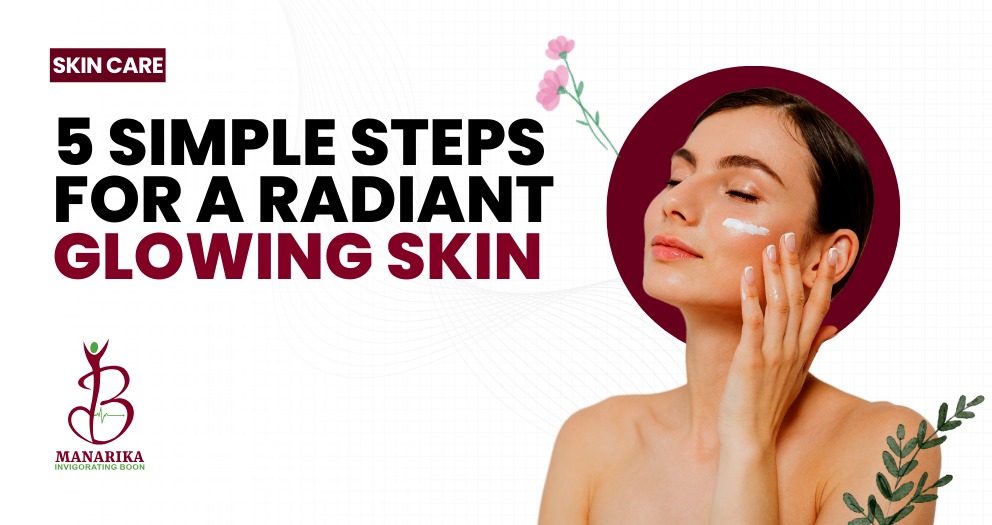
Skin Care :- Glow Up with Ease the Basics Unveiled

Hello! Welcome to the ultimate beginner’s guide to skin care. In this article, we will be discussing “The Basics of Skin Care: A Step-by-Step Guide”. Whether you’re a novice or an expert, this guide will provide you with valuable insights and in-depth information on Skincare Basics and how to take care of your skin. Before we dive into the details, let’s first understand why skin care is important. Our skin is the largest organ of our body and acts as a protective barrier against external factors such as pollution, UV rays, and bacteria. It is essential to take care of our skin to maintain its health and prevent premature aging. From cleansing to moisturizing, this comprehensive guide will empower you to nurture your skin like never before.

Cleanse: The Foundation of Radiant Skin Care

"Cleanse" – the magical word that kick starts your skincare routine. Imagine it as a refreshing splash of water for your soul. A gentle cleanser, marked by its ability to remove impurities and leave your skin refreshed, is the first step toward a glowing complexion. {Exfoliation} comes into play here, a key element to unveil the new and radiant you.

Hydrate: Nourishing Your Skin Care from Within

Hydration – the elixir of life for your skin. Let's explore the secondary keyword, "Hydrate," as the cornerstone of a healthy skincare routine. Dive into the world of moisturizers, serums, and the art of quenching your skin's thirst. {Humectants} and {emollients} are your allies here, ensuring your skin stays supple and radiant.

Protect: Shielding Your Beauty

As we continue our journey, the importance of "Protect" cannot be overstated. Sunscreen, the unsung hero, deserves its spotlight. Learn how to shield your skin from harmful UV rays and environmental stressors. {Antioxidants} play a vital role, acting as your skin's defenders against the modern-day challenges it faces. Sun protection is essential to prevent damage from UV rays. It is recommended to use sunscreen with an SPF of at least 30. Apply sunscreen 15 minutes before going out in the sun and reapply every two hours.

Nourish: Feeding Your Skin with Love

"Nourish" – a term that goes beyond food. Explore the world of vitamins, minerals, and {essential fatty acids} that contribute to the overall health of your skin. This section unravels the secrets of a balanced diet and its impact on your skin's vitality. It's not just about what you apply; it's also about what you consume.

Revitalize: Bringing Life Back to Your Skin

In the realm of skincare, "Revitalize" is the cherry on top. Discover the power of {retinoids} and {peptides}, the superheroes in the battle against aging. Learn how to incorporate them into your routine, breathing life back into your skin. This section is your guide to achieving that youthful, vibrant glow.

Conclusion:

Congratulations! You've embarked on a journey through the basics of skincare, transforming your routine into a self-care masterpiece. Remember, skincare is not just about products; it's a ritual that honors the temple you call your skin. Embrace each step, savor the moments, and let your skin radiate the beauty within. Cheers to the glow that comes from a well-nurtured skincare routine! In the quest for radiant skin, always remember: Cleanse, Hydrate, Protect, Nourish, and Revitalize – your path to timeless beauty. Here's to the radiant and confident you! 🌟
The Vegan Vision in Health and Skincare

The Vegan Vision in Health and Skincare

Vegan Vision in Health and Skincare

In today's fast-paced world, where beauty and health often go hand in hand, there's a growing movement towards adopting a vegan lifestyle for a more radiant and vibrant you. The term "vegan" has evolved far beyond just dietary choices; it's a vision that encompasses our overall well-being, especially in the realm of skincare. This blog is your ultimate guide to exploring the exciting world of veganism in the context of health and skincare. We'll delve into the secrets of nurturing your skin, rejuvenating your body, and embracing the vegan vision. So, let's embark on this journey to unlock the potential of the Vegan Vision in Health and Skincare.

The Foundation of Veganism:- Vegan Vision in Health and Skincare

Before we delve into the specifics of vegan skincare, it's essential to understand the underlying principles of veganism. The primary keyword, "Vegan Vision in Health and Skincare," signifies an inclusive approach to nurturing our bodies. Veganism goes beyond just the food on your plate; it's a holistic lifestyle choice that excludes the use of any animal products. This choice stems from the belief that such a lifestyle is not only kinder to our animal friends but also provides numerous benefits to our health and the environment.

Vegan Nutrition for Glowing Skin :- Vegan Vision in Health and Skincare

From a nutritionist's perspective, your diet plays a pivotal role in your skin's appearance and overall health. A plant-based diet, rich in fruits, vegetables, and whole grains, provides essential nutrients that promote healthy, glowing skin. Key nutrients like vitamin C, vitamin E, and antioxidants found in plants protect your skin from free radicals, keeping it youthful and radiant. Additionally, the cruelty-free aspect of a vegan diet aligns with a kinder approach to life, which can have a positive impact on your overall well-being.  

Natural Skincare: The Vegan way

Your skincare routine is incomplete without the vegan touch. When you opt for vegan skincare products, you're choosing a gentle, cruelty-free approach to beauty. Vegan skincare products are free from harsh chemicals and artificial additives that can harm your skin. They harness the power of nature to rejuvenate and nourish your skin, ensuring it remains soft, supple, and radiant.

The Importance of Hydration

As a skincare doctor would tell you, hydration is the key to healthy and vibrant skin. A vegan lifestyle emphasizes the consumption of water-rich fruits and vegetables, which naturally hydrate your body from within. Adequate hydration keeps your skin plump and helps in the detoxification process. Vegan skincare products also focus on the importance of natural hydration through ingredients like aloe vera and hyaluronic acid.

Say No to Harmful Chemicals

Many conventional skincare products contain harmful chemicals and additives that can cause skin irritation and allergies. Vegan skincare products are formulated with natural, plant-derived ingredients, making them safe for all skin types. Avoiding these harmful chemicals not only protects your skin but also aligns with the cruelty-free philosophy of veganism.

Skin-Saving Antioxidants

A vegan skincare routine is enriched with antioxidants, which combat the harmful effects of free radicals on your skin. Ingredients like green tea extract, vitamin C, and grape seed oil, commonly found in vegan skincare products, provide a shield against premature aging, ensuring that your skin remains youthful and radiant.

The Power of Sun Protection

Protecting your skin from the sun's harmful UV rays is crucial for maintaining its health and vitality. Vegan sunscreens are formulated with natural ingredients like zinc oxide and titanium dioxide, offering broad-spectrum protection without harmful chemicals. These sunscreens not only shield your skin from sun damage but also support the vegan vision by being cruelty-free.

Conclusion

The Vegan Vision in Health and Skincare is not just a trend; it's a transformative lifestyle choice that can revolutionize your beauty regimen. From adopting a plant-based diet to choosing cruelty-free skincare products, you have the power to enhance your beauty naturally while aligning with a kinder, eco-conscious philosophy. As a nutritionist and skincare doctor, I urge you to explore the world of veganism in skincare and witness the remarkable benefits it can bring to your health and well-being. In this guide, we've uncovered the holistic approach to veganism, the importance of a vegan diet for radiant skin, and the wonders of natural skincare products. By making conscious choices and embracing this vegan vision, you're not only caring for your skin but also contributing to a more compassionate and sustainable future. So, if you're looking to enhance your beauty naturally, dive into the world of veganism in health and skincare. Your skin and the planet will thank you for it!

Reasons you pee often

Drink Water Water intake doesn't just come from drinking pure water, as you can get 20-30% of your water from foods and even more from other beverages. It may be common sense, but over hydration can lead to increased urination and potentially lower the salt levels in your blood to a dangerous extent. To maintain a healthy balance, follow the "Goldilocks" rule and drink enough water to keep your urine clear or light yellow, without going overboard and spending all your time in the bathroom. Urinary Tract Infection Frequent urination is most commonly caused by a bacterial infection that affects the kidneys, bladder, or connecting tubes. This infection can cause swelling in the bladder, making it difficult to hold as much urine. Additionally, the urine may appear cloudy, bloody, or have a foul smell. Other symptoms may include fever, chills, nausea, and pain in the lower abdomen or side. Typically, antibiotics will be prescribed by a doctor to treat the infection. Diabetes (Mellitus) Both type 1 and type 2 diabetes can cause an increase in blood sugar levels. As your kidneys attempt to filter out the excess sugar, they may become overwhelmed and unable to keep up. Consequently, the sugar can end up in your urine, resulting in an increased need to urinate. Frequent urination is often one of the first and most prevalent signs of diabetes. If you experience an abrupt increase in the frequency of urination, it is recommended to consult your doctor. Diuretics Water pills, also known as diuretics, are used to treat high blood pressure, liver issues, and kidney problems. They work by increasing the amount of salt (sodium) released by the kidneys into the urine, resulting in an increase in urination. However, excessive urination can lead to a loss of essential minerals like sodium and potassium, which can negatively impact your health. Symptoms such as dizziness, muscle pain, and nausea may occur. If you are experiencing side effects, it is important to talk to your doctor before making any changes to your dosage or stopping your medication. Kidney Stones Tiny rock-like formations can develop in your kidneys due to the accumulation of minerals and salts. Symptoms include the frequent urge to urinate, despite a reduced output of urine. You may also experience nausea, fever, chills, and severe pain in your side and back that radiates down to your groin in waves. Certain factors such as being overweight, dehydration, consuming a high-protein diet, and having a family history of kidney stones can increase your risk of developing them. While small stones may pass naturally, larger ones may require surgical removal. Pregnancy As your baby grows in your belly, it takes up more space and pushes on your bladder, which makes you want to go sooner. But even before that, when your baby was an embryo implanted in your uterus, it triggered your body to make a pregnancy hormone called human chorionic gonadotropin that makes you pee more. Talk to your doctor if it hurts to pee, or if you see blood in your urine. Stroke It is possible for certain medical conditions to cause nerve damage that affects bladder control. As a result, you may experience an increased urge to urinate, but produce only a small amount of urine or experience sudden episodes of urinary incontinence. Parkinson's disease, multiple sclerosis, and other brain-related disorders can also result in similar symptoms. Your doctor can offer advice on modifying your diet and bathroom habits to help alleviate these symptoms. In more severe cases, medication or surgery may be necessary. Vaginitis Vaginal infections and inflammation can occur as a result of yeast, bacteria, viruses, medication, or hormonal changes. Exposure to chemicals found in creams, sprays, or certain types of clothing can also contribute to this condition. Symptoms may include itching or burning during urination, pain during sexual intercourse, an unusual discharge with an odor, and an increased urge to urinate. Too Much Alcohol or Caffeine Alcoholic beverages can function as a diuretic, causing your body to eliminate more water than usual. Additionally, they can suppress your body's production of vasopressin, a hormone that typically signals the kidneys to retain water instead of releasing it directly to your bladder. It is advisable to drink water in addition to your cocktail, beer, or wine. While caffeine can also have diuretic effects, it takes a much greater quantity of coffee to produce a comparable effect to alcohol. Weak Pelvis The lower abdominal region is known as the pelvic area. During pregnancy and childbirth, the muscles in this area may become stretched and weakened, resulting in the displacement of the bladder or the elongation of the urethra, which can lead to urinary incontinence. Menopause Menopause is the natural cessation of menstruation, usually occurring around the age of 50 in women. As a result of reduced estrogen production in the body, menopause can lead to an increased frequency of urination. Hormone replacement therapy, dietary modifications, and other therapies may be recommended by your doctor to alleviate symptoms. Tumor Whether malignant or benign, tumors can cause an increased urge to urinate by occupying more space in or around the bladder. In the case of cancer, blood in the urine is a key indicator. If you experience blood in your urine, notice a lump in your lower abdomen, or experience pain during urination, it is important to consult with your doctor. Prostate As men age, their prostate gland can grow larger, which can cause their urine stream to feel weak and uneven. They may also feel the need to urinate more frequently, sometimes urgently. While an enlarged prostate is a common and typically non-cancerous condition, it's important to consult a doctor to rule out other underlying causes and determine the best course of treatment. Constipation When you experience constipation, your bowel may become full and put pressure on your bladder, causing you to feel like you need to pee more often or urgently. Constipation can also weaken your pelvic floor muscles, which are responsible for controlling your bowel and bladder. If you are experiencing constipation, it is important to speak with your doctor or pharmacist to find a solution and avoid further complications.

Back to Top
Product has been added to your cart